
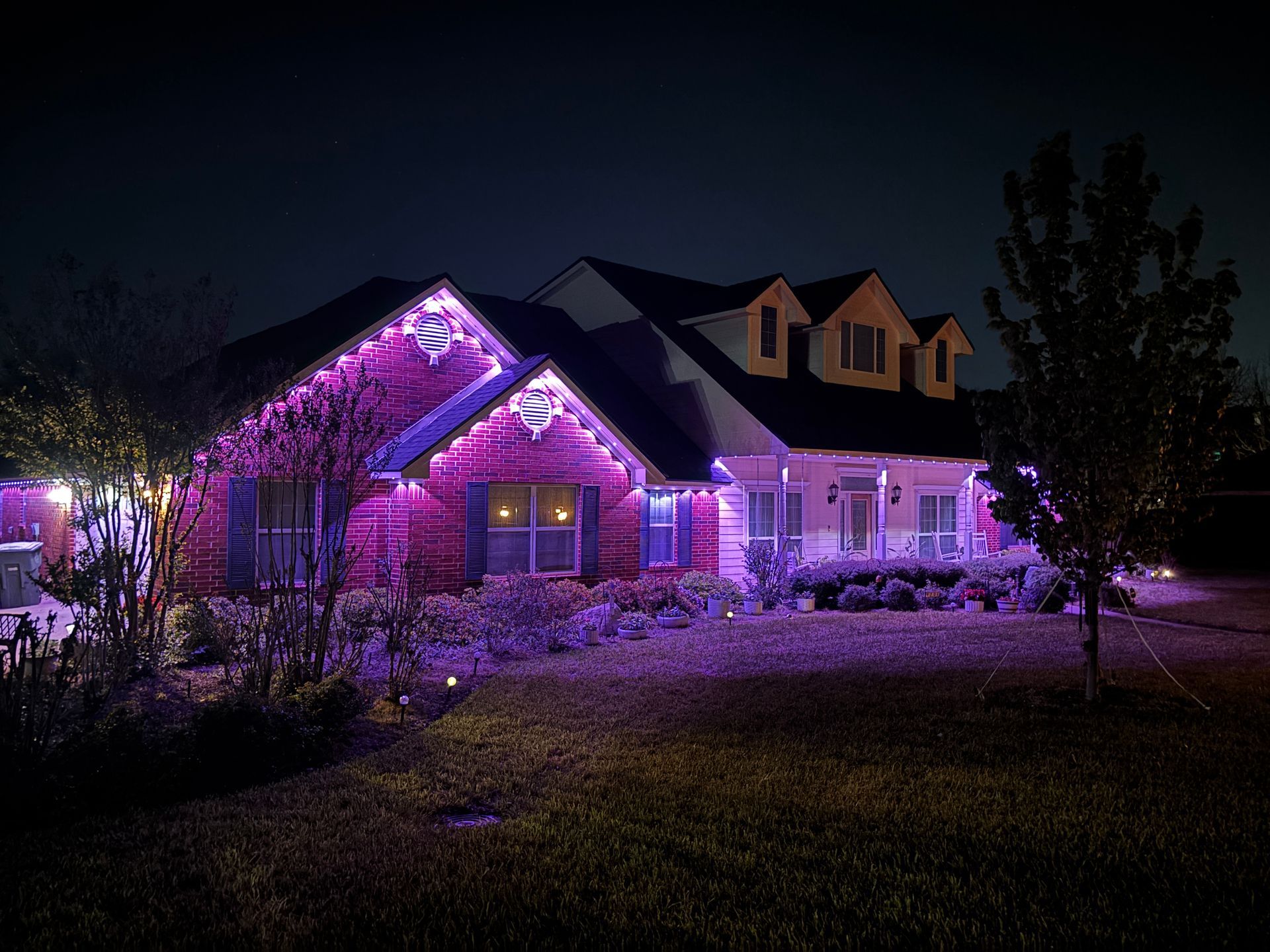
Gardens That Remain Visible Year-Round
Garden Lighting in Temple for landscapes where decorative plantings and focal points lose impact after sunset
Garden features that receive attention during the day—pathways, plants, decorative elements, and carefully arranged focal points—disappear once the sun sets, leaving yards flat and undifferentiated at night. Decorative lighting designed to highlight these features adds depth and visual interest after dark, making gardens accessible and attractive regardless of the hour. Professional placement ensures balanced results, with fixtures positioned to illuminate specific plants or elements without creating harsh shadows or uneven brightness. LED 365 TX handles installation using plug-and-play lighting products selected by homeowners, avoiding permanent electrical modifications while creating a finished look that functions year-round.
Garden lighting works by directing beams at specific targets—uplighting ornamental grasses or shrubs, washing light across flower beds, or defining edges along pathways and borders. Fixture angles and intensities are chosen based on the size and texture of plants, the distance between lights and targets, and the overall effect you want to achieve across the landscape.
Create a more inviting outdoor environment by arranging a consultation to review your garden layout and lighting goals.
What Garden Lighting Actually Accomplishes
Installation begins with identifying which garden features benefit most from illumination—specimen trees, ornamental beds, water features, sculptures, or architectural elements like stone walls or raised planters. In Central Texas, where native plants like Texas sage, yucca, and ornamental grasses are common, lighting placement accounts for plant structure and growth habits, ensuring that fixtures remain effective as plants mature or change seasonally. Wiring routes are planned to avoid areas where digging or irrigation work might disturb connections.
Once the system is active, gardens gain dimension and layering that isn't visible during daylight hours. Textures become more pronounced, colors shift under LED illumination, and pathways are clearly defined for safe navigation. The appearance of your property improves for anyone viewing it from the street or approaching the home at night, and outdoor spaces feel more intentional and finished.
Compatibility with a variety of plug-and-play lighting products means you can select fixtures based on style, finish, and light output without being restricted to a single manufacturer or design. If garden beds are redesigned or new plantings are added, fixtures can be repositioned or supplemented without starting the installation process from scratch.
Questions Before Starting Your Project
Garden lighting projects raise questions about fixture selection, plant compatibility, and how lighting adapts to seasonal growth patterns.
What types of plants benefit most from garden lighting?
Plants with interesting textures, distinct shapes, or vertical growth—such as ornamental grasses, palms, or flowering shrubs—respond well to uplighting, while low-growing groundcovers and flower beds are better suited to downlighting or path lights that define edges.
How does lighting affect plant health or growth?
LED fixtures produce minimal heat compared to older bulb types, so when installed at appropriate distances, they don't create thermal stress or interfere with natural growth cycles, even in Temple's hot climate.
What happens if garden beds are mulched or replanted?
Fixtures mounted on stakes can be repositioned as beds are reworked, and because the system uses plug-and-play connections, adjustments don't require rewiring or calling an electrician.
How do you avoid creating glare or overly bright spots in garden lighting?
Fixture placement considers viewing angles and distances, ensuring that lights are aimed at intended targets rather than directly into sightlines from windows, patios, or neighboring properties, which prevents harsh glare and light pollution.
What's the difference between garden lighting and landscape lighting?
Garden lighting focuses specifically on decorative plantings and ornamental features, while landscape lighting is a broader category that includes pathways, trees, structures, and functional illumination in addition to decorative elements.
LED 365 TX installs garden lighting systems in Temple that highlight plantings and landscape features, working with the products you choose to create balanced, attractive results. Contact us to schedule a site review and discuss how lighting can enhance your garden's appearance throughout the year.